What Is the Safest Way to Clean Historic Brick and Masonry in Washington, DC?
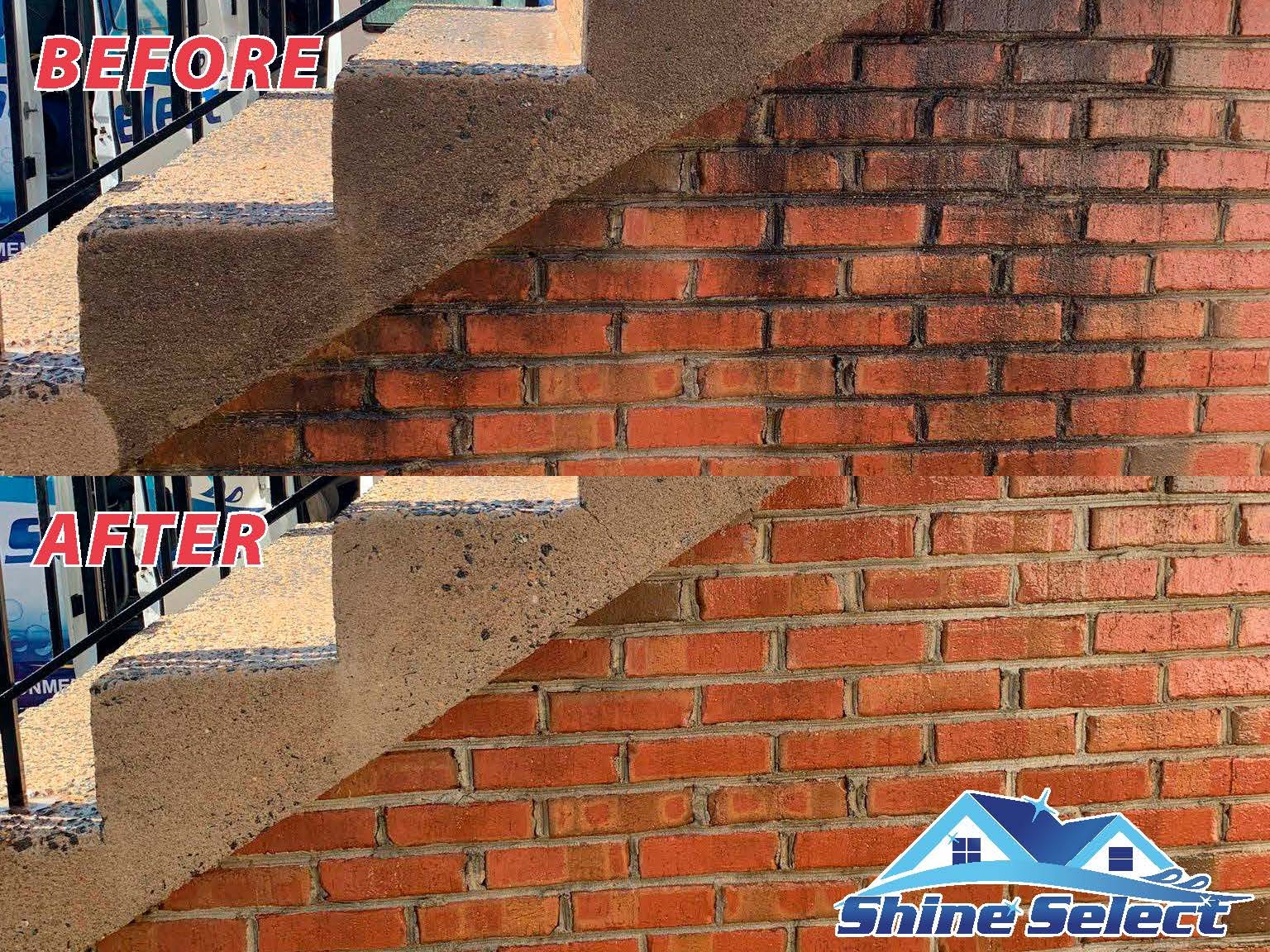
The safest way to clean historic brick and masonry in Washington, DC is to use the gentlest effective method, typically low-pressure water cleaning or a carefully selected soft-wash process after inspecting and testing the surface. Historic brick, stone, and mortar can be damaged by excessive pressure, abrasive blasting, or inappropriate chemicals, so cleaning should prioritize preservation over speed.
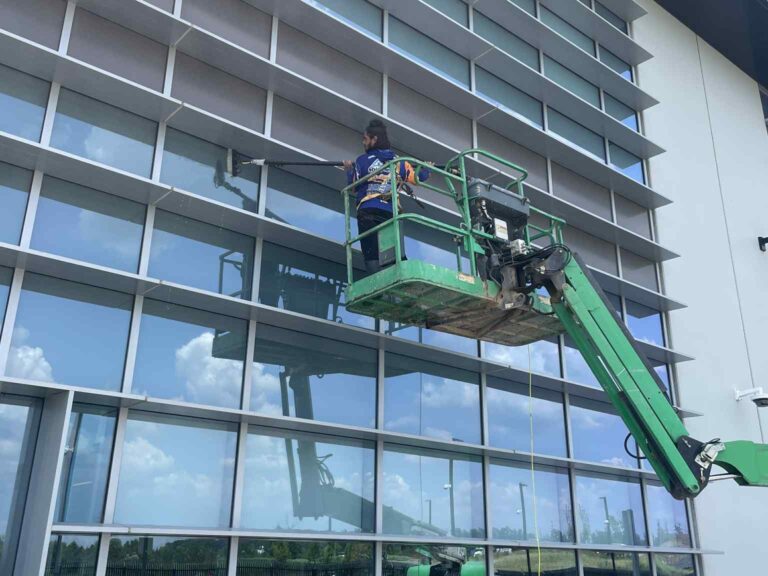
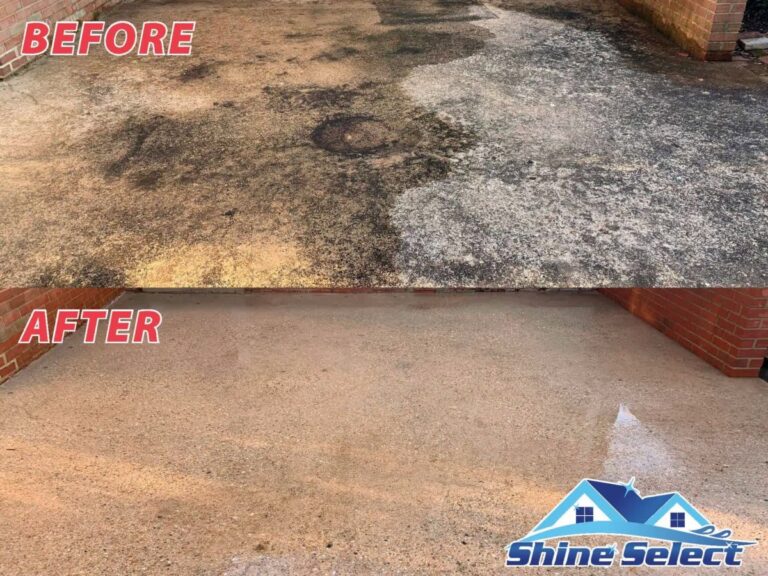
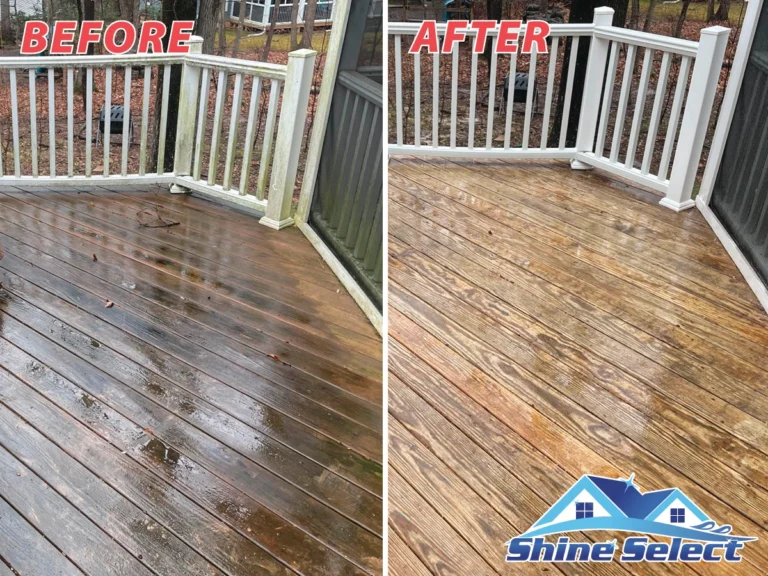
Washington, DC and the surrounding areas of Virginia and Maryland are filled with masonry buildings whose character depends on materials that have already weathered decades, and sometimes well over a century, of seasonal exposure. Shine Select brings more than nine years of exterior-cleaning experience to properties throughout the region, combining low-pressure cleaning techniques with surface-appropriate solutions and attentive customer care. The goal is not simply to make masonry look brighter. It is to remove unwanted organic growth and grime while respecting the brick, stone, mortar joints, trim, landscaping, and other materials that make the property unique. Shine Select is locally operated, licensed and insured, and backs its work with a satisfaction guarantee.
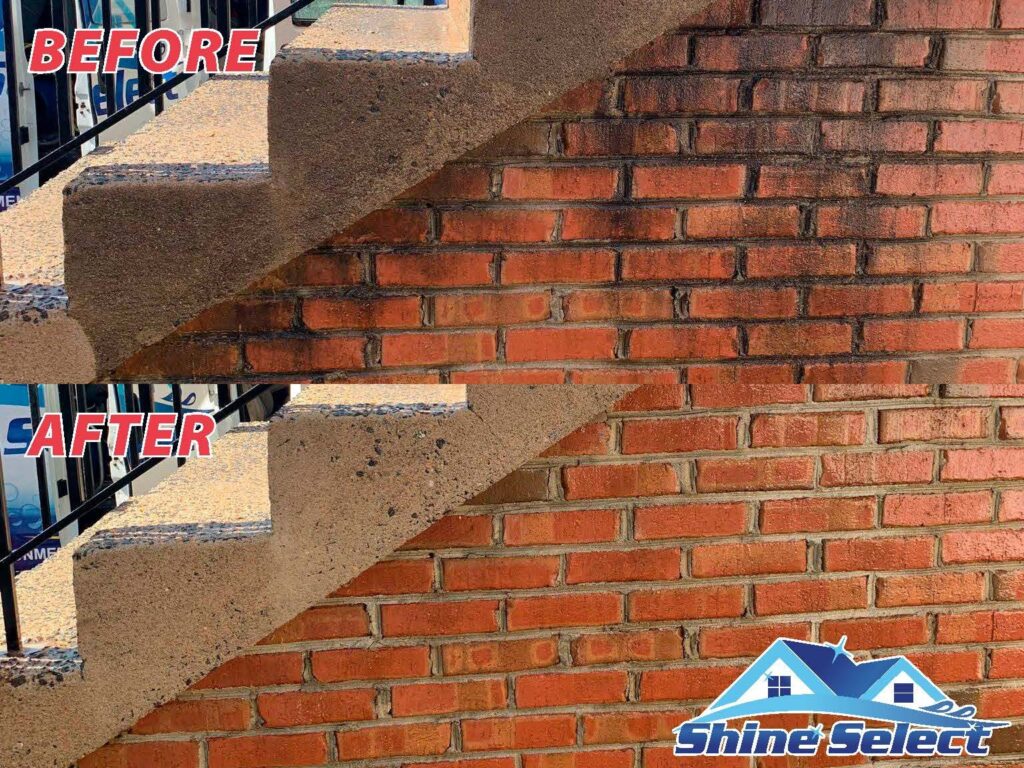
Why Low-Pressure Masonry Cleaning Matters for Historic DC Buildings
Historic masonry should be cleaned according to its material, condition, and type of soiling, not according to how much pressure a machine can produce. The National Park Service recommends selecting the gentlest means possible for historic masonry and notes that every historic masonry cleaning project should be considered individually.
That principle is especially relevant across Washington’s historic neighborhoods and older communities throughout Northern Virginia and Maryland. DC’s Historic Preservation Review Board has district-specific guidelines for areas including Anacostia, Bloomingdale, Foxhall Village, Meridian Hill, and others.
Why Can High-Pressure Washing Damage Old Brick and Mortar?
Too much pressure can remove more than dirt. It can erode mortar, scar masonry, or strip away the protective outer surface of historic brick.
The National Park Service warns that abrasive cleaning is generally destructive to historic building materials. When the hard exterior surface of brick is damaged, the softer interior becomes more vulnerable to water. Moisture entering deteriorated masonry can contribute to additional damage during freezing conditions.
That matters in Washington, DC, where winter freezing is a normal part of the climate. National Weather Service records show that the area experiences regular winter snowfall and temperatures historically well below freezing.
Potential consequences of overly aggressive cleaning include:
- Eroded or recessed mortar joints
- Pitting or scarring of brick and stone
- Loss of the brick’s protective surface
- Water entering cracks or deteriorated joints
- Uneven coloration or permanent cleaning marks
- Accelerated deterioration of already fragile masonry
Cleaning should therefore remove the contaminant without unnecessarily removing or altering the building material underneath it.
Is Soft Washing Safe for Historic Brick?
Soft washing can be an appropriate option for many masonry surfaces because it reduces reliance on mechanical force, but “soft wash” alone does not guarantee a preservation-safe process.
Historic masonry must first be evaluated for deterioration, open joints, damaged brick, previous coatings, and the type of staining or biological growth present. Cleaning products should also be appropriate for the specific masonry and tested before treating a large area.
The National Park Service recommends beginning water washing at very low pressure, 100 psi or below, and increasing only as necessary, generally no higher than 300 to 400 psi in its historic-masonry guidance. It also recommends testing cleaning methods before proceeding with an entire building.
A preservation-minded process therefore follows a simple rule: use chemistry, dwell time, gentle agitation when appropriate, and controlled rinsing to reduce the amount of mechanical force required.
What Should Be Checked Before Historic Masonry Is Cleaned?
The masonry’s condition should be evaluated before cleaning begins. Cleaning cannot repair deteriorated mortar, active moisture problems, loose masonry, or structural defects.
A professional assessment should consider:
- Brick or stone type: Different masonry materials have different hardness, porosity, and chemical sensitivities.
- Mortar condition: Crumbling or missing joints may need repair before washing.
- Type of contamination: Algae, mildew, atmospheric grime, paint, rust, and efflorescence may require very different treatments.
- Previous coatings: Paint, waterproofing products, sealers, and past cleaning can change how masonry responds.
- Water pathways: Open joints, cracks, windows, doors, and other penetrations need special attention.
- A test area: An inconspicuous test helps determine whether the proposed cleaning method produces an acceptable result without harming the substrate.
The National Park Service specifically cautions that historic masonry cleaning must account for the building’s construction and condition, rather than applying one universal cleaning procedure.
Does Historic Masonry Cleaning in DC Require Special Approval?
Some work on designated historic properties may require preservation review, so property owners should confirm requirements before starting a project.
The DC Historic Preservation Office lists masonry cleaning, pointing, and waterproofing among work that can qualify for expedited review when it is compatible with the historic property. Its guidance specifically excludes sandblasting and other damaging methods from that category. Exterior work requiring a building permit on a historic property also requires historic preservation review.
For owners and property managers, this makes the cleaning method more than a maintenance decision. On a designated property, it may also be a preservation-compliance consideration.
Why Choose Professional Low-Pressure Cleaning Instead of DIY Pressure Washing?
Historic masonry leaves little room for trial and error. Damage caused in seconds by excessive pressure may be difficult or impossible to reverse.
A professional can adjust the cleaning process based on the material and actual condition of the building. This is particularly valuable on older DC rowhouses, commercial buildings, churches, multifamily properties, and masonry homes throughout Northern Virginia and Maryland.
Shine Select’s approach emphasizes low-pressure cleaning and cleaning solutions rather than automatically relying on high-powered pressure washing. The company serves Washington, DC and communities throughout Northern Virginia and Maryland, including Alexandria, Arlington, Fairfax, McLean, Bethesda, Chevy Chase, and Potomac.
Historic Brick and Masonry Cleaning FAQs
Can you pressure wash a historic brick building?
Historic brick should not be treated like modern concrete. The National Park Service recommends beginning with very low-pressure water and increasing pressure only when necessary, because excessive force can damage brick surfaces and mortar joints.
Is sandblasting safe for old brick?
Generally, no. The National Park Service warns that abrasive cleaning can permanently damage historic masonry, and DC preservation guidance specifically identifies sandblasting as a damaging method.
Can soft washing damage brick?
Yes, if the wrong cleaning solution, concentration, pressure, or procedure is used. “Low pressure” does not eliminate the need to identify the masonry, inspect its condition, select compatible cleaning products, and perform a test area first.
Should damaged mortar be cleaned before it is repaired?
Deteriorated masonry should be evaluated before cleaning. The National Park Service notes that some badly deteriorated masonry may not be suitable for water cleaning because added moisture can worsen existing deterioration.
Ready to Protect and Refresh Your Historic Masonry?
Historic brick and stone deserve a cleaning approach built around preservation, not brute force. Whether you manage an older DC property, a brick home in Northern Virginia, or masonry in suburban Maryland, Shine Select can help determine an appropriate exterior-cleaning approach.
Ready for professional brick and masonry cleaning? Contact Shine Select for an estimate.